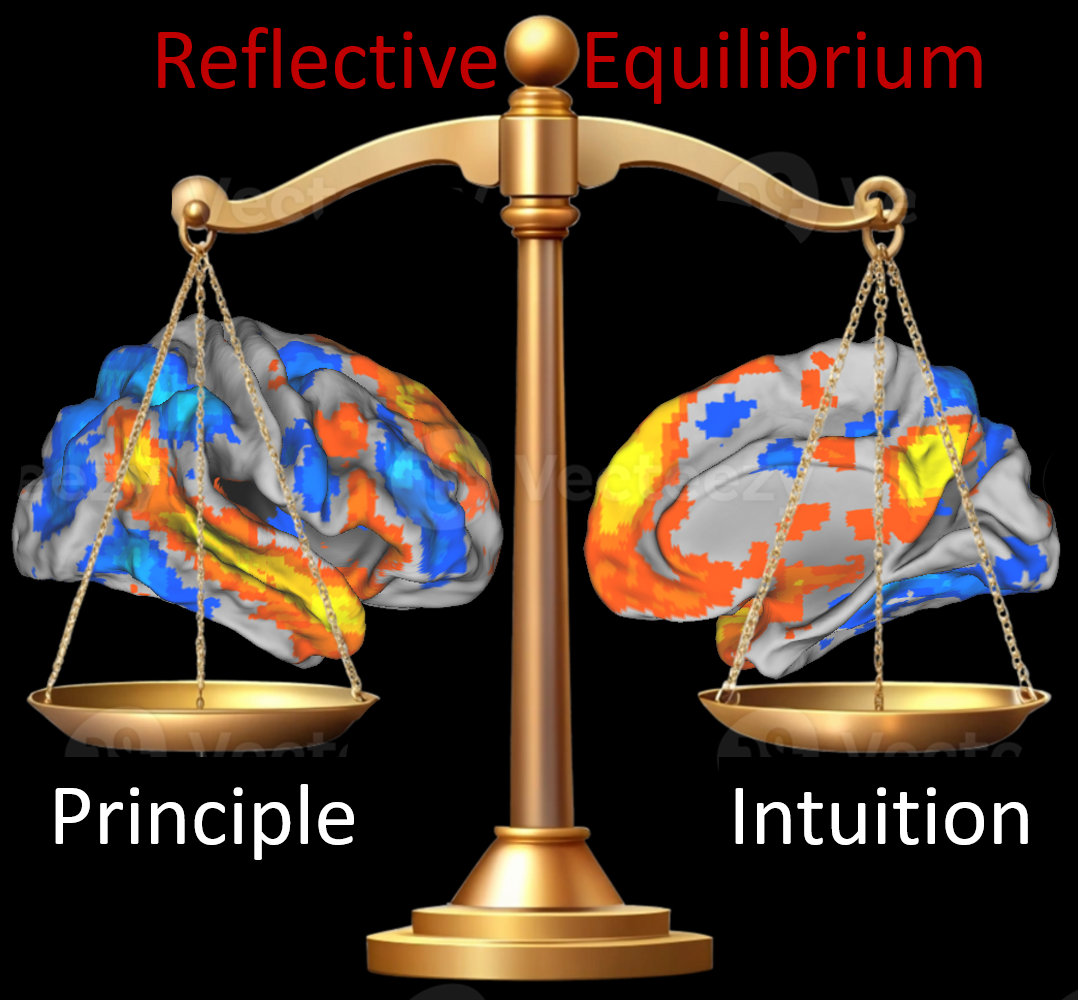
Coaches and clinicians are trained to help—and helping often means fixing. This workshop examines the neuroscience behind that reflex and why solving a client’s problem can contribute to boundary drift, scope violations, dependency, and treating people as cases rather than people. Drawing on disciplinary data from counseling, social work, psychology, and coaching, participants explore how analytical and empathic modes can conflict in the brain and why ethical lapses are predictable risks rather than simply personal failings. Gestalt practices of inclusion, bracketing, attending, dialogue, and curiosity are taught as professional skills. Through live faculty demonstration, case discussion, small-group practice, and guided debrief, participants learn to recognize when a client’s needs exceed a coaching engagement and require clinical referral. The workshop also examines how bias shapes whose distress is labeled clinical and whose is labeled underperformance. Participants leave with a shared ethical language, a scope-and-referral protocol, and two contact-based interventions for interrupting the fixing reflex.
-
Participants completing this workshop will be able to:
1. Identify where to find the ethical codes governing social work, marriage and family therapy, psychology, counseling, and coaching.
2. Differentiate the psychophysiological states evoked by problem-focused and vision-focused helping interactions.
3. Demonstrate two contact-based interventions that interrupt the fixing reflex during a helping conversation.
4. Assess a client presentation for indicators of clinical concern that exceed the scope of practice.
5. Name a Gestalt intervention that is likely to lessen unethical behaviors.
-
Licensed mental health clinicians, including social workers, professional counselors, marriage and family therapists, and psychologists; ICF-credentialed coaches; clinical supervisors; and organizational coaching practitioners.
-
There are no prerequisites for this program.
*This workshop satisfies the prerequisite for the Gestalt Training Program (GTP) and may contribute to acceptance in other GIC training programs.
-
Tuition, Refund Policy, Organization Policies
Tuition: $150.00
Pay only $125, if paid by November 11
use Early Incentive discount code: ETHICS—
To receive a refund for your cancellation:
30 or more days prior to your start date, you will be eligible to receive a full refund minus a processing fee.
This processing fee is 4% of total amount.14 or more days prior to your start date, you will be eligible to be refunded 50% of the reservation total.
Cancellations less than 14 days prior to the start date of the workshop or program, credits may be offered at the discretion of the Institute. If the reason for your cancellation is considered an emergency, this will be taken into consideration upon submission of required documentation.
Credits issued in lieu of a refund must be used within 12 months of the original program or workshop start date. After this period, any unused credit will expire and will no longer be valid. Extensions will not be granted.
In the event of cancellation, participants will be notified at least two weeks prior to the workshop start date.
Notice of Nondiscriminatory Policy
-
Continuing Education:
4 Ethics CE hours
or
4 ICF CCEs (pending)Gestalt Institute of Cleveland (GIC) is approved by the Ohio Psychological Association (OPA), the National Board for Certified Counselors (NBCC), the Association of Social Work Boards (ASWB) Approved Continuing Education (ACE) Program, and accepted by the Ohio Counselor, Social Worker and Marriage and Family Therapist Board to offer continuing education.
-
There is no known conflict of interest for this program.
-
Participants must attend the entire course and complete a course evaluation to be eligible for CE credit.
Certificates of completion will be emailed within 10 business days of course completion.